

The Union of the Comoros, a volcanic archipelago in the Indian Ocean, is undergoing a profound energy transition in 2026. Historically reliant on expensive fossil fuel imports, the nation is now leveraging its tropical sun to power a unified transport network. The challenge of island geography—where communities are separated by both steep mountains and open sea—is being met with a singular solution: Comoros E-Mobility Infrastructure. By synchronizing the charging cycles of maritime e-boats and land-based e-bikes on a shared solar microgrid, the islands are creating a blueprint for archipelagic sustainability.
The Shared Solar Microgrid Architecture
At the heart of this innovation are the 2026 solar integrated energy projects, particularly on Anjouan and Grande Comore. These plants utilize high-efficiency N-type double-glass photovoltaic modules to generate power even in high-humidity coastal environments. Unlike traditional grids, these shared solar systems are designed with "Dynamic Load Balancing."
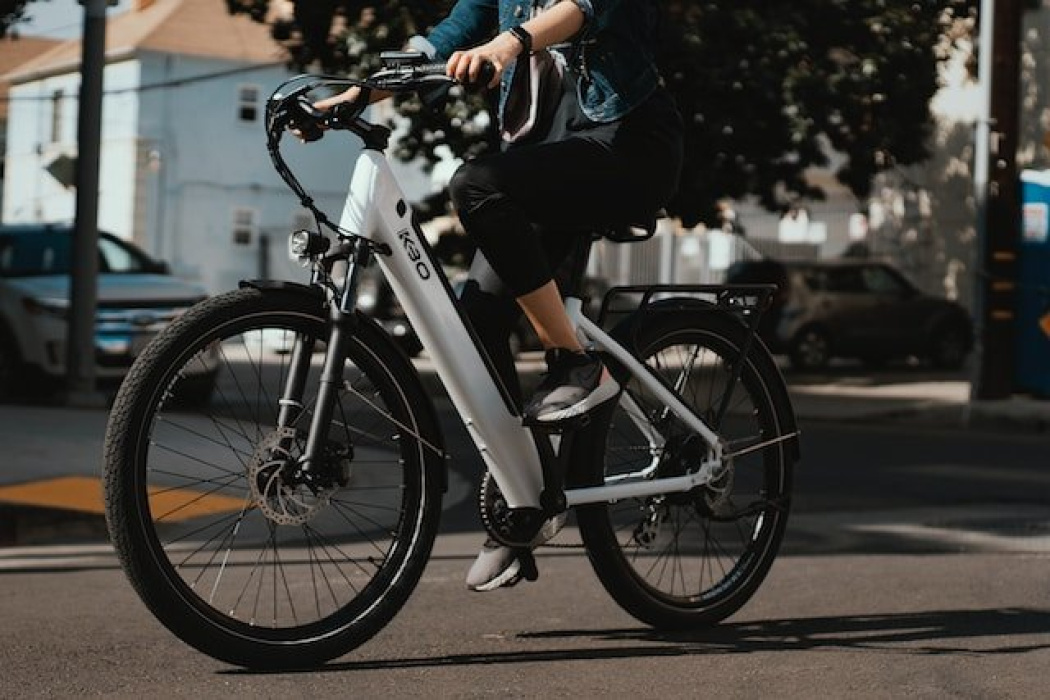
This technology allows the grid to prioritize energy flow based on real-time demand. For instance, during the early morning hours, the Comoros E-Mobility Infrastructure directs maximum power to the e-boat docks to prepare the inter-island passenger fleet. As the sun reaches its zenith, the surplus energy is diverted to modular e-bike charging stations located at inland market hubs, ensuring that both land and sea transport are fully energized without overstraining the battery energy storage systems (BESS).
Technical Challenges Of Marine-Land Synchronization
Coordinating two vastly different vehicle types on a single grid presents unique engineering hurdles:
-
Voltage Disparity: E-boats often require high-voltage DC fast charging (up to 400V) to handle 80kWh+ battery packs, while e-bikes typically utilize 36V or 48V systems. Modern "Smart Converters" in Comoros now bridge this gap, allowing a single solar array to serve both needs.
-
Corrosion Resistance: The salt-heavy air of the Mozambique Channel is brutal on electronics. The 2026 infrastructure rollout features IP67-rated housings and marine-grade connectors to prevent electrolysis and hardware failure.
Enhancing Maritime Safety And Efficiency
The transition to electric "kwassa-kwassa" (local boats) is not just about the environment; it is about safety. Through the Interisland Connectivity Project, older, precarious vessels are being replaced with eco-friendly boats integrated into the Comoros E-Mobility Infrastructure. These new vessels are equipped with GPS and emergency communication systems that are kept perpetually charged by the solar docks.
For logistics managers and environmentalists tracking the progress of "Blue Economy" initiatives across the African continent, the detailed insights provided by AfriCarNews offer a vital perspective on how these infrastructure investments are boosting regional trade and safety.
The Social Impact Of Integrated Charging
The synchronization of land and sea transport has a direct impact on the Comorian "granary" villages. Farmers who once struggled with the high cost of fuel can now transport produce via solar-charged e-bikes to the ports, where e-boats take the goods to Moroni or Mutsamudu. This seamless Comoros E-Mobility Infrastructure reduces the "cost-to-market," directly increasing the income of rural families while lowering the carbon footprint of the nation’s food supply.
Looking Toward A 2030 Green Vision
As the government moves toward its 2030 goals, the focus is on scaling these hybrid hubs. The success of the Comoros E-Mobility Infrastructure in 2026 demonstrates that even the most remote islands can leapfrog traditional industrialization. By treating the sun as a universal fuel station for both the road and the waves, the Comoros is securing its path toward a silent, clean, and self-sufficient future.
Do you think the shared grid model used in the Comoros could work for larger coastal cities, or is it strictly a solution for small island nations? We’d love to hear your thoughts on the future of "Blue" transport—drop a comment below!