



The Union of the Comoros, an archipelago nestled in the Mozambique Channel, is redefining the future of island transport. By 2026, the nation has moved beyond traditional fossil fuel dependence to embrace a "Blue Economy" model that connects its turquoise waters with its volcanic terrain. The heart of this transformation is a pioneering approach to Comoros E-Mobility Infrastructure, where the same solar-powered hubs that charge the electric "kwassa-kwassa" boats at the docks also power the e-bikes and e-scooters traversing the island’s steep coastal roads. This synchronization is not just a technological feat; it is a vital step toward total energy independence for the "Moon Islands."
The Rise Of Integrated Charging Hubs
Traditionally, marine and land transport in the Comoros operated in silos. However, under the 2026 "Green Corridor" initiative supported by the African Development Bank, the islands have introduced hybrid charging stations. These hubs are strategically located at secondary ports like Chindini and Hoani, where the demand for inter-island boat travel meets the need for local land transit.
The Comoros E-Mobility Infrastructure utilizes a "Power-to-All" architecture. Large-scale N-type double-glass photovoltaic modules—part of the 2026 Anjouan Photovoltaic Integrated Energy Project—provide the baseline energy. This electricity is stored in centralized lithium-iron-phosphate (LFP) battery banks, which then distribute power to both heavy-duty marine fast-chargers and modular e-bike ports simultaneously.
Technical Synergy Between Sea And Shore
The synchronization of these two modes of transport relies on smart-grid technology that manages varying voltage requirements.
-
E-Boat Rapid Charging: High-voltage DC chargers are used to quickly replenish the 80kWh+ battery packs of the new eco-friendly passenger vessels, ensuring minimal turnaround time between islands.
-
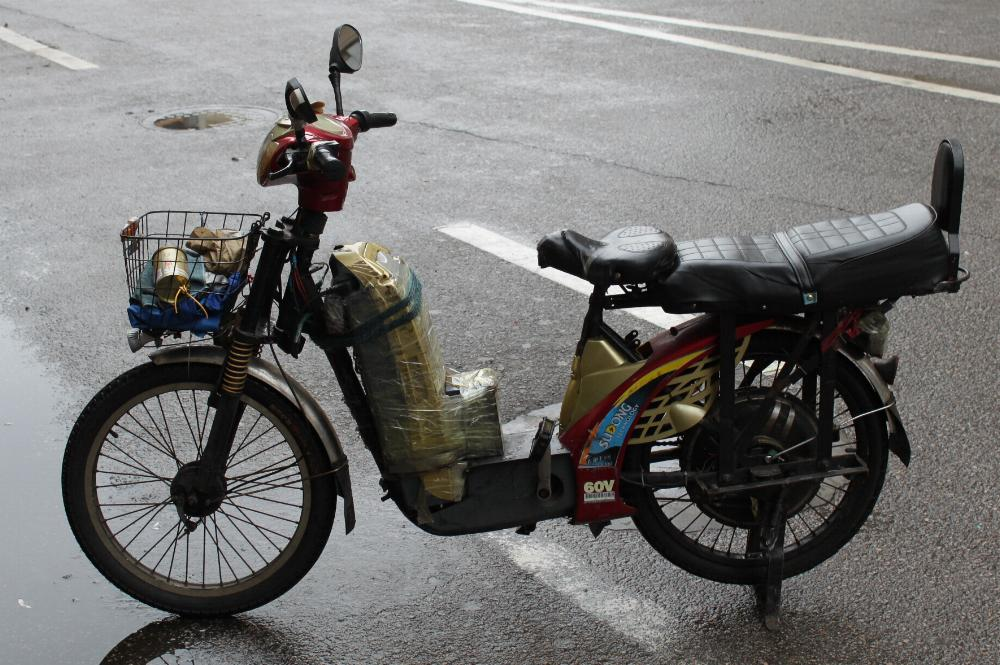
E-Bike Modular Ports: Simultaneously, lower-voltage AC outlets provide steady "trickle" charging for e-bikes, which have become the preferred mode of transport for local fishermen and tourism operators navigating the narrow streets of Moroni and Mutsamudu.
Advancing The Blue Economy Through E-Mobility
The push for Comoros E-Mobility Infrastructure is deeply tied to the nation's 2030 Emerging Plan. By localizing the energy source through solar and small-scale hydro, Comoros is insulating its transport sector from the volatile global oil prices that have historically hampered its economy.
For logistics experts and sustainable development advocates interested in how island nations are scaling green tech, the latest regional updates from AfriCarNews provide a detailed look at the infrastructure projects shaping the Indian Ocean's transport landscape.
Environmental And Social Impact
The environmental benefits of this integrated Comoros E-Mobility Infrastructure are immediate. The reduction in noise pollution preserves the delicate marine ecosystems and coral reefs, while the elimination of two-stroke engine runoff protects the water quality of local fishing grounds. Socially, the availability of low-cost e-bike charging has increased the mobility of women and youth in rural areas, allowing for better access to markets and education without the burden of fuel costs.
Challenges And The 2026 Outlook
While the vision is ambitious, the humid, salt-heavy environment of the Comoros remains a challenge for electrical components. Current Comoros E-Mobility Infrastructure designs now utilize marine-grade, corrosion-resistant housings and specialized cooling systems to ensure longevity.
As the project scales, the government is looking toward 2028 to have a fully interconnected network across Grande Comore, Mohéli, and Anjouan. By synchronizing the way the people of the Comoros move across both land and sea, the nation is creating a resilient, self-sustaining blueprint for archipelagic states worldwide. Comoros E-Mobility Infrastructure is more than just a set of wires and panels; it is the lifeline of a modern, green Comorian economy.
Do you think the "hub" model of charging both boats and bikes is the most efficient way for island nations to go green, or should each sector have its own dedicated energy source? We want to hear your thoughts—drop a comment below!
